Worldwide Shipping
 We work with Customs
 Secure Payments

NAD+ explained
NAD+, or Nicotinamide Adenine Dinucleotide, is a vital coenzyme present in all living cells. It plays a central role in numerous biological processes, including energy production, DNA repair, and cellular regulation. NAD+ levels naturally decline with age, which can impact overall health and vitality.
However, NAD+ supplementation and therapies are emerging as promising approaches to support cellular function, enhance well-being, and potentially address age-related conditions. Explore the science and benefits of NAD+ to unlock its full potential for a healthier life.
The miracle molecule
NAD+ is a critical coenzyme found in every cell in our body. It turns nutrients into energy and drives crucial metabolic processes by regulating cellular function. By shifting electrons from one molecule to another, NAD+ helps us generate energy within our cells and regulate the circadian rhythm that manages our sleep/wake cycle.
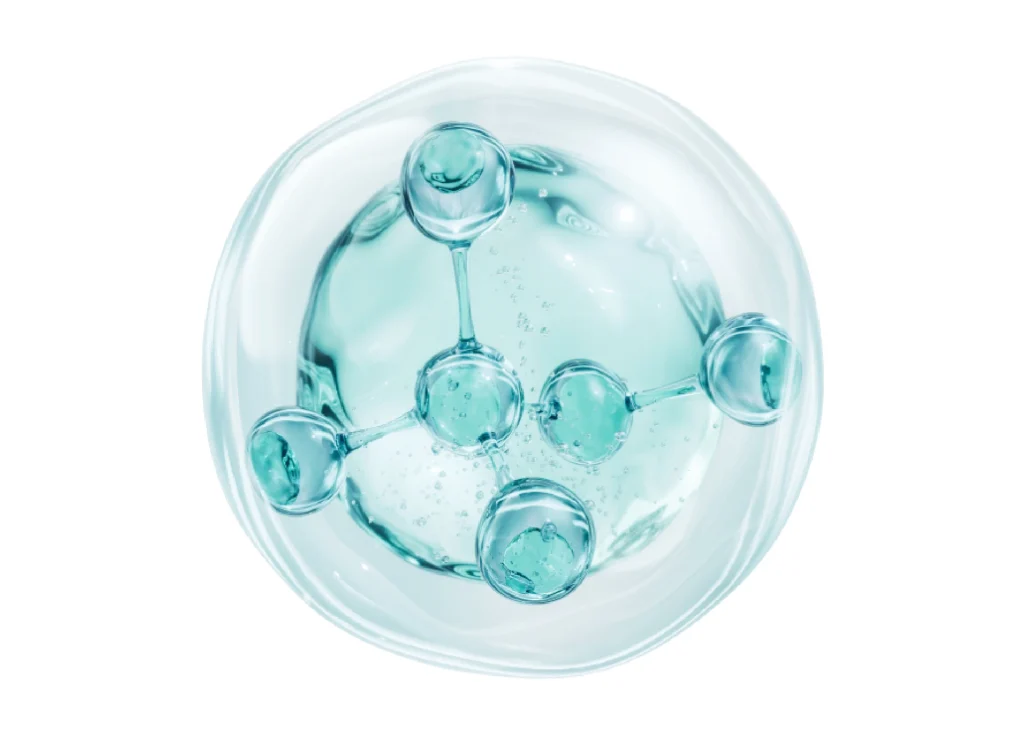
How does NAD+ work?
NAD+ is essential for energy metabolism. NAD+ can directly and indirectly influence metabolic pathways, DNA repair, cellular senescence and immune cell function. These cellular processes and functions are critical for maintaining good physical and mental health, warding off illness and disease and for healthy ageing.

The science behind NAD+
Cells obtain energy during cellular respiration by oxidising food molecules such as glucose. The energy derived from these actions is used to form ATP; an energy storage molecule. The NAD+ is the oxidised form, that is, a state in which it loses an electron. NADH is a reduced form of the molecule, which means it gains the electron lost by NAD+. The two forms of NAD constitute a redox couple. Redox reactions involving electron transfers play a central role in energy creation.